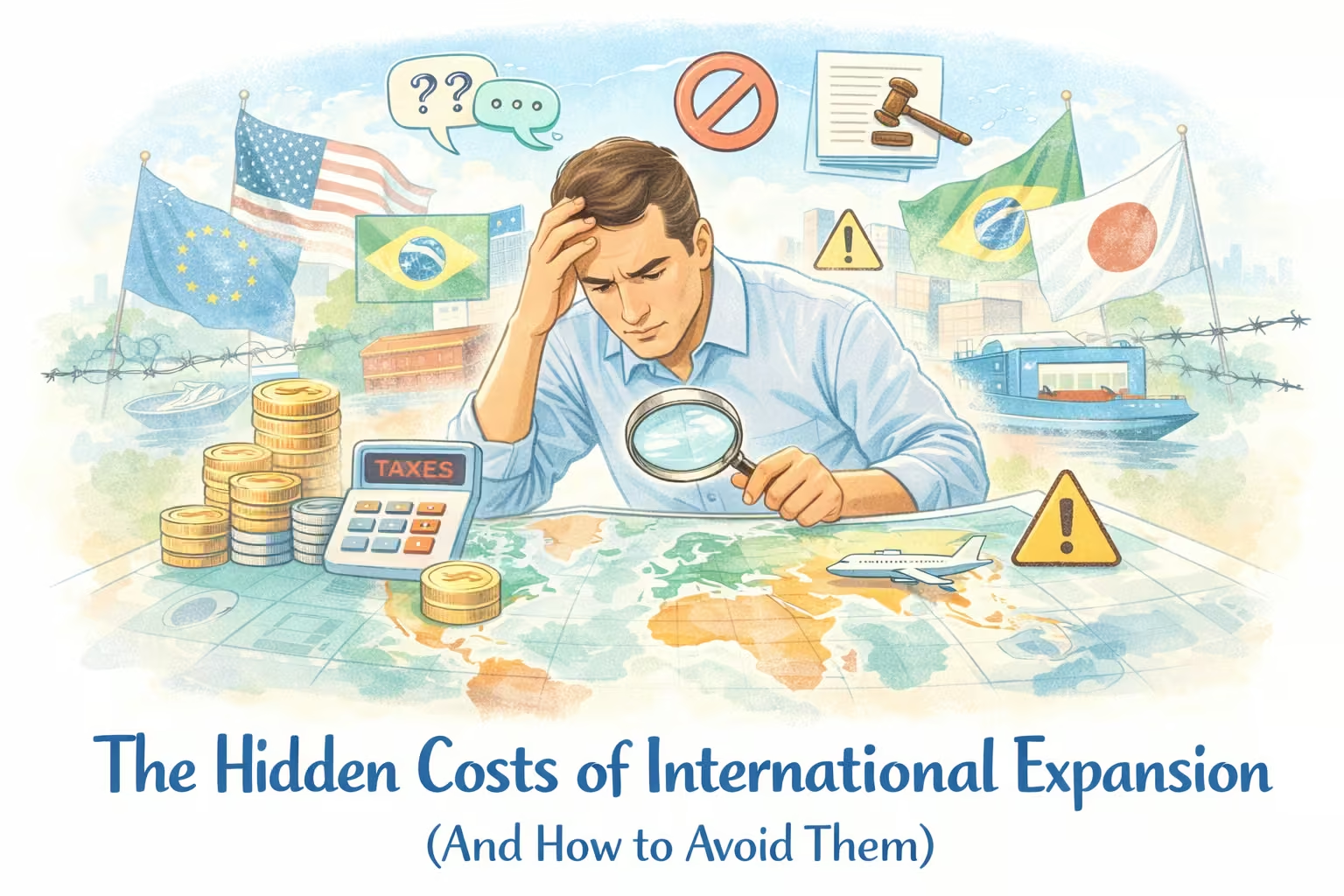
The Hidden Costs of International Expansion - and how to avoid them
The Importance of Understanding Hidden Costs
When it comes to entering new markets, many founders and business leaders often focus on the exciting prospects of growth and expansion. However, they frequently underestimate the hidden costs involved in internationalization. This blog post explores these often-overlooked expenses and provides practical tips on how to navigate them effectively.
Navigating Regulatory Compliance
One significant area where hidden costs can arise is regulatory compliance. Each country has its own set of rules and regulations concerning foreign businesses. From taxes to import/export restrictions, navigating this legal landscape can be complex and costly. Failure to comply can lead to hefty fines or even a ban from operating in the market entirely. It’s crucial to conduct thorough research and potentially engage local experts or consultants to ensure compliance and avoid any unexpected financial burdens.
Cultural and Hiring Challenges
Entering a new market means dealing with cultural differences that can complicate hiring. Understanding local customs and attitudes towards work will influence your recruitment process. Not every candidate will fit seamlessly into your company culture, and misalignments can lead to high turnover and training costs. Additionally, hiring local talent often requires higher salaries than expected, particularly in competitive job markets. Investing in cultural training and focusing on local partnerships can significantly mitigate these challenges.
Logistics and Supply Chain Management
Logistics is another critical factor in ensuring a successful international expansion. The costs of transporting goods across borders can mount quickly, especially if your supply chains are unoptimized. Unexpected delays, tariffs, and customs fees may hinder your ability to deliver products timely. This not only affects customer satisfaction but also your company’s finances. To reduce hidden logistics costs, consider working with local suppliers and establishing efficient supply chains tailored to the market’s needs.
Understanding Currency and Payment Systems
The complexities of international finances can also veer into hidden costs. Currency exchange rates fluctuate, and international payment systems often come with fees that may not be apparent initially. Establishing a reliable payment processing system that works in all markets while being mindful of conversion rates can save substantial amounts. Additionally, evaluating when to exchange currencies can help mitigate losses due to unfavorable exchange rates.
Leveraging Local Partnerships
Building local partnerships can help absorb some of these costs by sharing resources, knowledge, and networks. Local partners understand the market’s nuances, thus reducing your exposure to risks. Whether it’s teaming up with a logistics provider or collaborating with local marketers, these partnerships can lower the hidden costs associated with expansion efforts.
How to Mitigate Risks During Expansion
To manage the risks associated with entering new markets, conducting comprehensive market research and due diligence is imperative. Consider creating a phased approach to expansion, allowing for adjustments based on initial performance. Make informed decisions about investments by keeping tabs on all potential hidden costs, and always have a contingency budget in place. By anticipating challenges and proactively working to mitigate risks, businesses can expand internationally while keeping costs manageable.